Posted on Leave a comment

WRX & STI Spark Plugs (EJ20/EJ25)

The EJ20 and EJ25 powered every WRX from 2002-2014 and every STI all the way through 2021, before Subaru finally moved the WRX over to the FA20DIT in 2015. Three engine codes, two plug families, and a lot of listings out there with the wrong part number written into the mod notes. Here’s the correct stock and one-step-colder NGK plug for each EJ code, plus the gap. Working on a 2015+ WRX with the FA20DIT instead? Our FA20DIT spark plug guide covers that one. Mid-build on an EJ car? Our EJ-series mods guide covers the rest of the staged upgrade path.

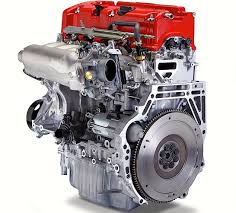
Engine bay of a 2004 Subaru WRX STI, powered by the EJ257

WRX & STI Spark Plugs by Engine Code

Two plug families cover all three EJ engine codes: BKR-series for the 2002-2005 WRX’s EJ205, and LFR-series for the EJ255 (2006-2014 WRX) and EJ257 (STI, 2004-2021). Get the family right first, then pick stock heat or one-step-colder depending on what the car’s actually making.

2002-2005 WRX (EJ205) use the factory NGK PFR6G (Subaru P/N 22401AA530), with an iridium equivalent in the NGK BKR6EIX-11. Stock-to-mild builds should stick with that stock heat range; once you’re past stock power, step up to the NGK BKR7EIX-11, one step colder heat range 7 NGK plugs. There’s also a BKR8EIX which are two-steps-colder option for cars running HIGH boost and making big power.

2006-2014 WRX (EJ255) and 2004-2018 STI (EJ257) both feature the EJ25 engine and run the factory OEM NGK ILFR6B spark plug (Subaru P/N 22401AA630), the iridium equivalent being NGK LFR6AIX-11. However Subaru changed course using 1 step colder (heat range 7 plugs) starting with the STI Type RA 2018-2021 STI, NGK LFR7AIX is the OEM replacement and exactly the plug we recommend for ALL EJ25 STI’s RA or standard STI’s alike. All NGK STI spark plugs are in stock and shipping out daily. Please note we ONLY sell genuine NGK parts always purchased through NGK’s authorized channels to avoid wasting time and money on copy/knock off NGK plugs found on marketplace listings like Ebay and Amazon.

Worth double-checking whatever’s written into a listing’s mod notes before you assume it’s accurate — we’ve seen “one step colder” attached to what’s actually just the stock-heat plug, part number and all, more than once. A mod list that just says “iridium plugs” with no part number doesn’t actually tell you what’s installed.

WRX & STI Spark Plug Gap & When to Go Colder

Factory gap on all three EJ codes is commonly specified in the 0.028″-0.031″ range — check it against a factory service manual for your specific model year before you set it, since we’ve seen slightly different figures floating around depending on the source. Use a wire-type gap tool rather than a flat feeler gauge on the iridium center electrode; it’s thin and bends easily if you’re not careful.

For the STI, our take is simple: any EJ257 running mods or an increase in boost, even mild ones, gets the one-step-colder LFR7AIX — we don’t wait for a specific power number to make that call. Subaru landed on the same answer from the factory: every 2019-2021 STI, and the 2018 Type RA before it, shipped one step colder than earlier STI years. For the WRX’s EJ255, the same plug is the move once a build’s making more than stock power. Iridium matters here for more than longevity: the finer center electrode fires a more concentrated spark, which helps ignition stay consistent as cylinder pressures climb under boost. Spark blowout under load on the colder plug, even with good boost control, usually points to a weak ignition coil rather than the wrong plug — worth swapping in a stronger coil at the same time.

Frequently Asked Questions

What spark plug does a WRX or STI use stock?

Depends on the engine code, not the model year — that’s the whole reason this guide exists. 2002-2005 WRX (EJ205) runs a BKR-series plug, 2006-2014 WRX (EJ255) and 2004-2021 STI (EJ257) run the LFR-series. There’s no single “WRX spark plug,” which is exactly the mix-up we see written into a lot of mod lists.

Do aftermarket iridium plugs actually make a difference over stock?

On a bone stock EJ, honestly not much you’d feel day to day — stock heat range iridium is already a solid plug. Where it matters is once you’re modified: a colder heat range and the finer iridium tip both help ignition stay consistent as cylinder pressures climb under boost.

How hard is it to DIY a spark plug swap on an EJ?

Doable in an afternoon with basic tools, though EJ engine bays are tight enough that pulling the intake or a coil pack bracket out of the way makes the rear-bank plugs a lot easier to reach. Budget more time than you think you’ll need the first time through.

What kills EJ spark plugs early?

Usually one of two things: running the wrong heat range for the power level, or carbon fouling from oil intrusion on a car that’s overdue for valve cover gaskets. Neither shows up as a dramatic failure — more often it’s a rough idle or an intermittent misfire under boost that gets blamed on the tune before anyone pulls a plug to look.

We keep all four of these part numbers in stock and ship same day. Browse what’s currently listed if you want to see real EJ-powered builds: EJ257-coded STI listings and EJ255-coded WRX listings on get.ffrides.com.

Posted on 1 Comment

2015-2021 WRX Spark Plugs (FA20DIT)

Every 2015-2021 WRX left the factory with the same spark plug: the NGK Laser Iridium ILKAR8H6, sold under NGK part number 96024. Whether you’re running a bone stock WRX or a built one pushing well past factory power, having the right plug (and the right gap) in the FA20DIT matters for reliable ignition. The NGK ILKAR8H6 linked below is all most WRX owners will ever need. Own a 2002-2014 WRX or a 2002-2021 STI instead? Those run the EJ20/EJ25, not the FA20DIT — see our WRX & STI spark plug guide for the right part number.

Subaru's turbocharged, direct-injection FA20DIT engine, shown installed in a Levorg, which shares the same engine used in the 2015-2021 WRX

WRX FA20DIT Spark Plugs

The NGK ILKAR8H6 is the stock heat range plug for every 2015-2021 WRX, and it’s the same plug Subaru specs for the 2014-2018 Forester XT since both share the FA20DIT engine. NGK’s own spec sheet lists it at heat range 8 with a 0.024″ factory gap (NGK, ILKAR8H6 / 96024 product page). It’ll comfortably handle a stock car all the way up to a solid Stage 2 build, roughly 300 whp.

Once a build starts pushing past that, it’s time to step up to a colder plug. We recommend the NGK R2558E-9, one heat range colder than stock, for anything in the 350-600whp range. More boost means more heat in the combustion chamber, and the colder plug pulls that heat out faster so you don’t end up chasing a heat-soak misfire.

One thing worth double-checking before you buy: FA20 and FA20DIT are not the same engine. The naturally-aspirated FA20 runs in the BRZ, FR-S, and 86. The turbocharged, direct-injected FA20DIT is what’s actually in a WRX. If a listing just says “FA20 spark plug” without specifying DIT, don’t assume it’s the same part until you’ve matched it against ILKAR8H6.

It’s a mix-up we see often in build mod lists, too: a “one step colder” note that’s actually just describing NGK 96024 by its part number, which is the stock heat range plug, not a colder one. Worth remembering whenever you’re reading someone else’s mod list: check the actual part number, not just how it’s labeled.

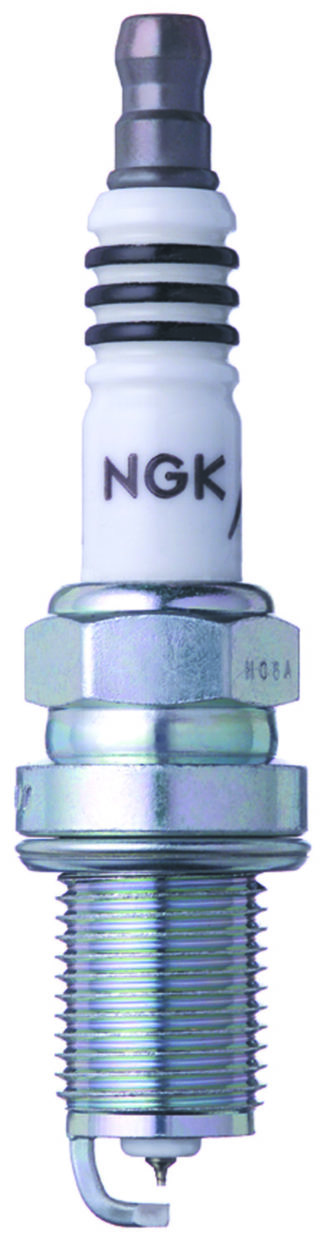
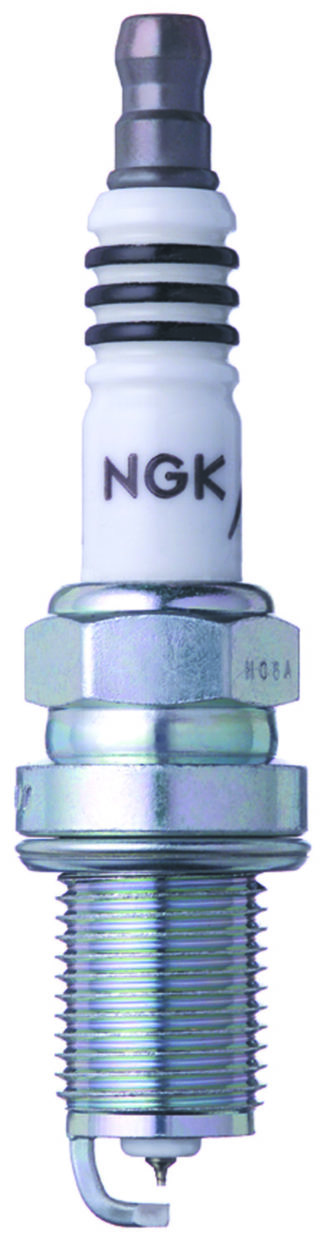
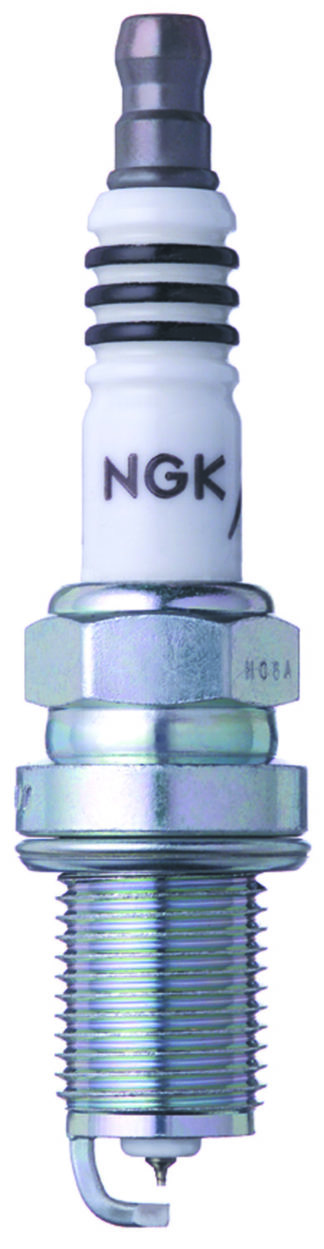
An NGK spark plug; the fine iridium tip on the ILKAR8H6 is why a wire-type gap tool is worth using instead of a flat feeler gauge

FA20DIT Spark Plug Gap & Torque Specs

  • Factory gap: 0.020″-0.022″
  • Torque: 10.8-14.5 lb-ft on an aluminum head, per NGK’s own torque spec for this plug — though most WRX engine bays don’t leave enough clearance to get a torque wrench on the plug. Snug against the crush washer, by feel, is how most owners actually do this job.

One catch: the ILKAR8H6 ships from NGK pre-gapped to 0.024″, wider than Subaru’s factory spec, so plan on adjusting it down before it goes in. Use a wire-type gap tool rather than a flat feeler gauge. The iridium center electrode on this plug is thin and can bend or chip if you’re not careful with it.

When to Replace WRX Spark Plugs

Plan on new plugs around 30,000 miles, sooner if you notice any of the usual warning signs: power loss, a misfire, a rougher idle than normal, a slower crank on startup, or worse fuel economy than you’re used to. On a direct-injection engine like the FA20DIT, carbon buildup on the intake valves tends to show up on a similar timeline and shares some of the same symptoms, so it’s worth a look at the same time.

Why We Only Sell Genuine NGK Plugs

Counterfeit NGK spark plugs are a real problem, not a scare story. NGK’s own anti-counterfeiting page warns buyers to be wary of unusually low prices on e-commerce sites and to buy only through authorized distribution channels (NGK, “Counterfeit Spark Plugs: The Ignition Villains That Could Ruin Your Engine”). Fakes typically swap the iridium center electrode for a standard nickel one machined down to look similar, and NGK has documented cases of counterfeit plugs melting at the tip and damaging the engine around them.

Amazon and eBay listings for NGK plugs are exactly the kind of unverified, third-party channel that warning is about — you’re often buying from whoever’s currently winning the buy box, not NGK or an authorized reseller. Every plug ffrides sells, including both the ILKAR8H6 and R2558E-9 above, comes through NGK’s authorized distribution channel.

Frequently Asked Questions

What spark plug does a 2015-2021 WRX use stock?

The NGK Laser Iridium ILKAR8H6, sold under NGK part number 96024, at heat range 8. It’s shared with the 2014-2018 Forester XT, which runs the same FA20DIT engine.

What gap should WRX spark plugs be set to?

0.020″-0.022″, per Subaru’s factory spec. NGK ships the ILKAR8H6 pre-gapped wider, at 0.024″, so it needs adjusting down at install with a wire-type gap tool.

Do I need colder spark plugs for a Stage 2 WRX?

Not automatically. Stock heat range covers up to roughly 300 whp. Past that, step up to the one-step-colder NGK R2558E-9.

How often should WRX spark plugs be replaced?

Around 30,000 miles, or sooner if you notice power loss, misfire, rough idle, slow starts, or reduced fuel economy.

Shop both plugs directly: NGK ILKAR8H6 (stock) for stock-to-mild builds, or NGK R2558E-9 (one step colder) once you’re past roughly 300 whp.

Posted on Leave a comment

K20C Spark Plug Guide

k20c1 civic type R

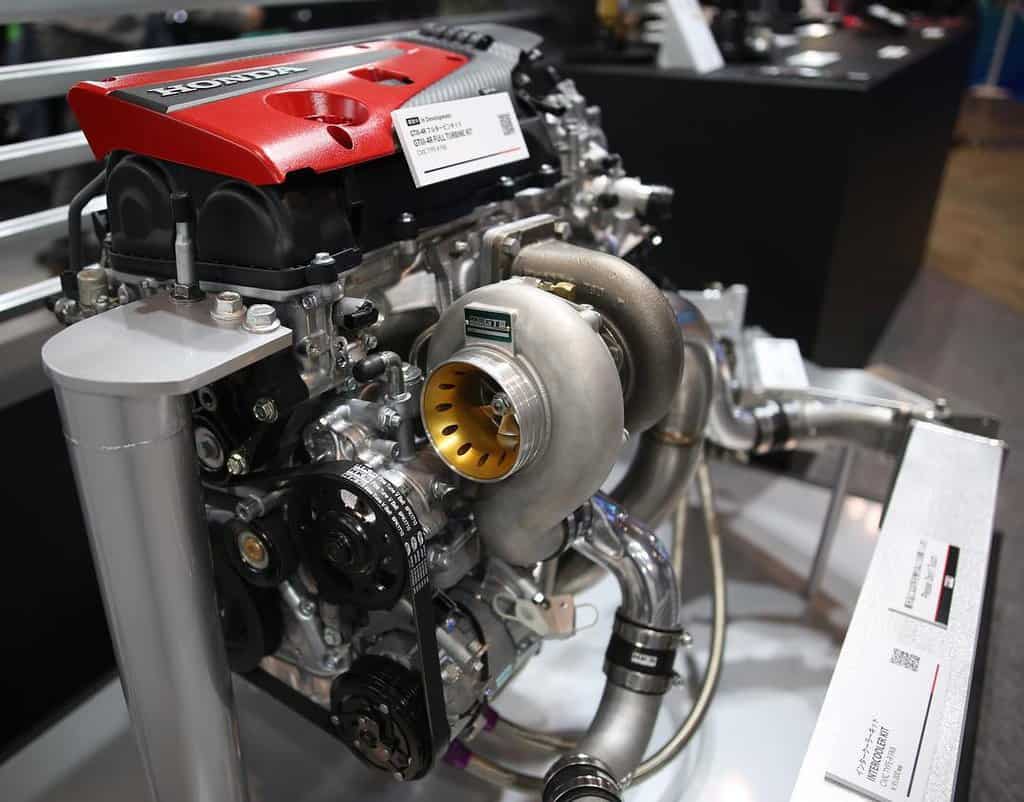
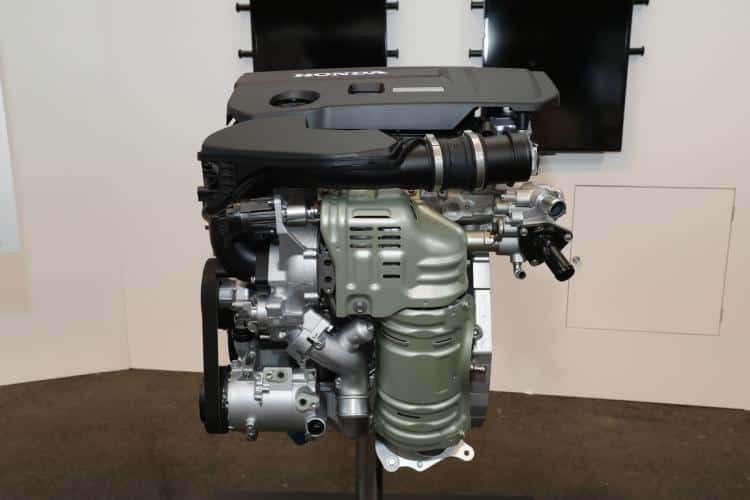
The Honda K20C engine can be found in a wide range of vehicles from the new Civic Type R using the K20c1 to the Accord using the K20c3. This Turbo K series engine has replaced the NA K20/K24a port injection engines. The new K20c family or engines uses a single exhaust port (common for modern turbo engines to keep production cost down) and direct injection (key to ensure the lowest possible emissions). The K20c engines have only been on the market since 2015 but have already proven to pack huge power potential supporting over 500HP on the stock engine with upgraded turbo and fuel system.
K20c Spark Plugs

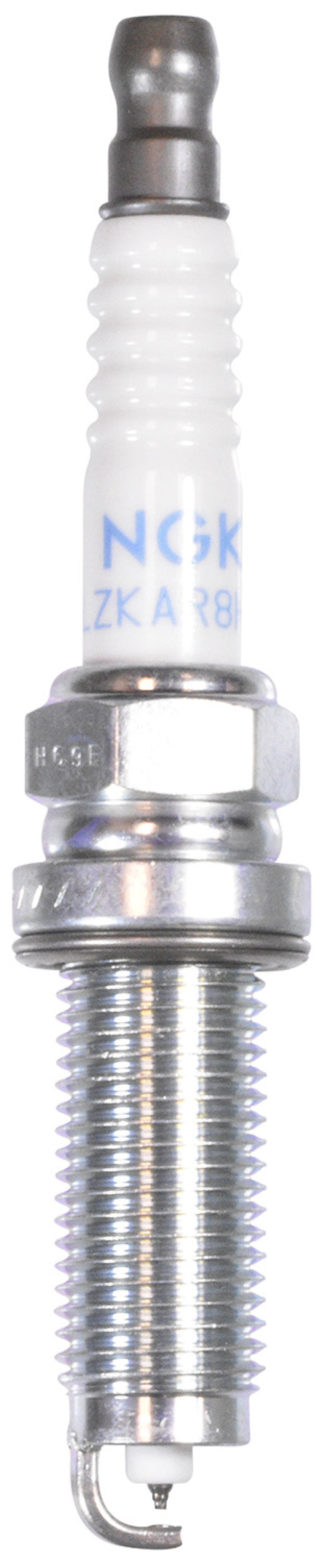
Whether you are running a bone stock K20c or a fully built big turbo K20c1 Civic Type R ensuring you have the correct spark plugs for your engine is key to reliable performance. Luckily the NGK spark plug linked above is the only k20c spark plug you will need. From stock power commuter cars to full blown race cars the NGK ILZKAR8H8S plugs are perfect for any k20c engine up to 800WHP. With the high boost pressures used in the K20c engines it is very common to experience spark blow out. This is when the spark plugs are un able to create an ark/spark and results in misfires. A misfiring engine will not only be WAY down on power it will also consume more fuel and potentially damage other engine parts. Luckily you are able to avoid all of these problems simply by staying on top of your spark plug maintenance, AKA change your plugs! While Honda suggests the K20C spark plugs only need to be changed every 90K miles we have found any K20C that is driven hard (stock or modified) will need the plugs changed every 10-20K miles in order to avoid the dreaded spark blow out problems.
k20c accord turbo

K20c Spark Plug Installation Torque Specs & Plug Gap

-K20C1 & K20C4 Plug gap (factory setting) 0.7-0.8 mm (0.028-0.031″)
-Torque Specs for Aluminum cylinder head: 10.8-14.5 lb. ft.
-For high boost applications you may gap your spark plugs down as tight as 0.5mm If you are still experiencing spark blow out at this tight of a gap you will need to upgrade your ignition coils.

Those working with the older K20a or K24a engines can check out our K20/24a specific spark plug guide for the full breakdown of the correct NGK spark plugs to use in your K series build from 200HP to 1500WHP we have the sparkplugs your K series needs: K24 Spark Plug Guide

K20a/K24a VS K20c

Below you can see a picture of the exhaust ports on the K24a and K20C engines. As you will notice the K24a uses 4 exhaust ports (1 port per cylinder) while the K20C uses a single exhaust port for all 4 cylinders. While both designs work well the single port K20C offers a super simple and cost effective way to add a turbo to the engine. The K24a can also be turbo’d but requires a turbo manifold to merge the 4 ports into 1 at the turbo inlet.
The only downside to the K20c single exhaust port design becomes apparent as you start to push power past the 450hp mark. While the engine will support 800+HP anything above ~450 starts to add a TON of back pressure and heat to the exhaust side of the engine. This puts extra stress on everything and must accounted for when tuning any K20c making over 400whp. If you are looking to make BIG power (over 500whp) on a turbo K series with the best reliability possible we suggest using the K24a RBB1-4 as your base, (the 3 lobe cam K24). If you are looking for a super clean and simple Turbo K series option the K20C is absolutely perfect!
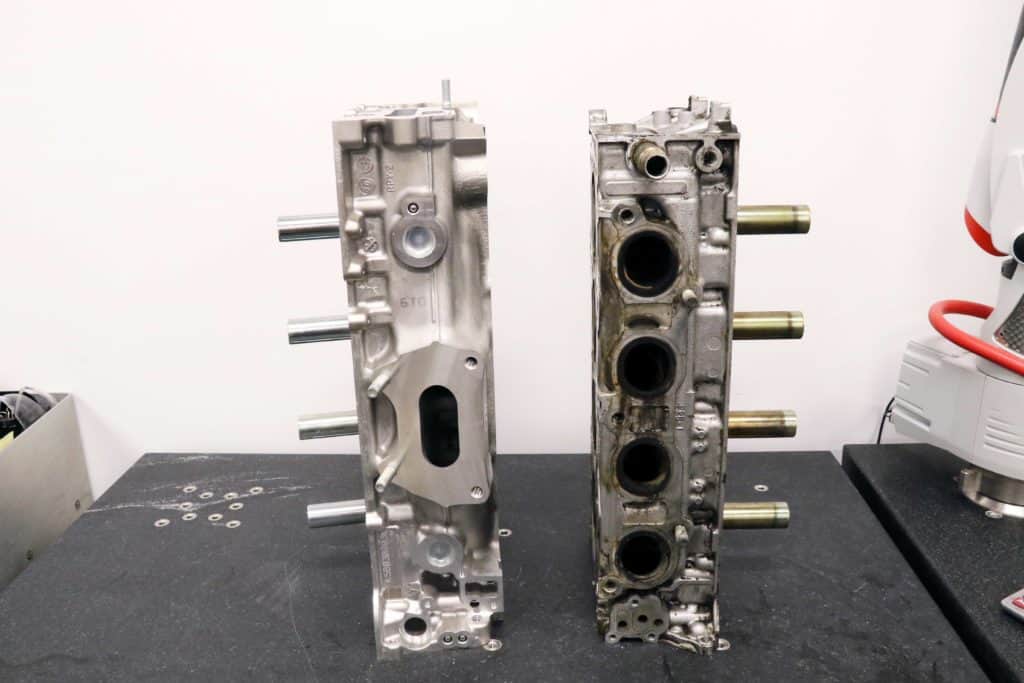
k24a vs k20c exhaust ports
Posted on Leave a comment

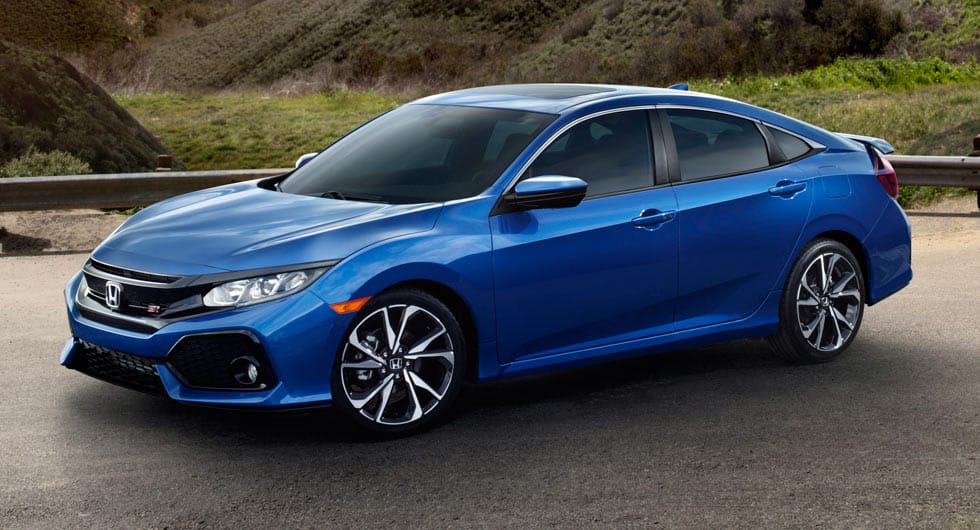
Turbo Civic SI Spark Plugs L15

turbo civic SI L15

Starting in 2016 (US market) the Honda Civic was released with a new Turbo engine options. The L15b7 Honda engines are direct injection and turbocharged making them extremely efficient while producing GREAT power with only a few basic mods and ECU tuning. Whether you have a bone stock Civic SI or fully built L15B7 race engine ensuring you are using the correct spark plugs is key to making reliable power. In a rush to get your new spark plugs? No need to read any further here is the link to the exact NGK Iridium laser spark plugs needed for the 1.5 turbo Civic L15 engines 2016+ NGK ILZKAR8H8S

l15b turbo honda
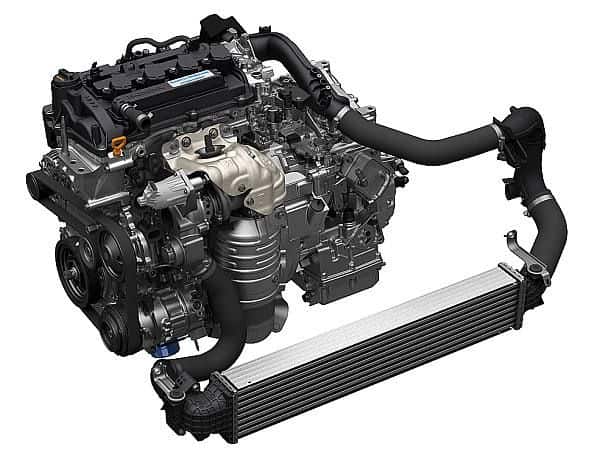
L15B 1.5L turbo Honda Engine used in Accord, Civic, CRV and others

For any L15B 1.5L Turbo engine (pictured above) we always recommend NGK Laser Iridium spark plugs. The exact part number needed for either engine is NGK ILZKAR8H8S and we keep these plugs in stock ready to ship! This is the exact spark plug to use in your L15b or K20c whether you have a stock car or a 600HP race car these are the plugs to use.

civic SI turbo 2dr l15b

The NGK iridium spark plugs come pre-gapped to 0.030″ which is perfect for the turbo L15B or K20c engine. If you experience spark blow out with a fresh set of spark plugs gapped to 0.030″ its a sign your ignition coils have reached their limitations and using a larger coil for a hotter/more powerful spark is needed. (this in normally only on cars running 28psi and above). You may also apply a tiny dot of anti-seize on the threads of your plugs (very small amount) and dielectric grease in the boot of the ignition coil before installing the coils onto the plugs. The dielectric grease makes for easy removal of the ignition coil next time and helps prevent the coil boot from getting damaged/torn.

Fixing spark blow out on L15B

If you don’t remember the last time you changed your spark plugs start with a fresh pair of plugs as that is cause of spark blow out 90% of the time. Stock car or modified you need to ensure your spark plugs are in good condition or engine performance will suffer badly. While Honda gives outrageously long service intervals for the spark plugs we find if you running the engine hard changing the plugs every 10,000 miles plays a huge roll in preventing spark blow out and misfires. Any high power Turbo Civic with the L15b series engine makes its power through high cylinder pressures and great airflow through the cylinder head. The high cylinder pressures put the spark plug and ignition coil to the test. As spark plugs age and wear out the resistance increases this increased resistance combined with high cylinder pressures results in “spark blow out”. Spark blow out is a situation where the spark fails to arc from the spark plug’s electrode to the grounding strap causing a misfire and loss of power. Running NGK iridium plugs helps to ensure your engine will not suffer from spark blow out even under high boost high cylinder pressure situations. NGK iridium plugs have proven to last longer and perform better than any other spark plug option on the market both on and off the race track.

OEM Honda L15b & K20c Spark Plug Gap specs:

-L15B 1.5T Si Plug gap (factory setting) 0.70-0.75 mm (0.0276-0.0295″) **the SI runs higher boost than non SI l15b from the factory which is why they use a slightly smaller plug gap.
-L15B 1.5T Non-Si Plug gap (factory setting) 0.7-0.8 mm (0.028-0.031″)
-K20C1 & K20C4 Plug gap (factory setting) 0.7-0.8 mm (0.028-0.031″)
-Torque Specs for Aluminum cylinder head: 10.8-14.5 lb. ft.
-For high boost applications you may gap your spark plugs down as tight as 0.5mm If you are still experiencing spark blow out at this tight of a gap you will need to upgrade your ignition coils.

Posted on Leave a comment

Best Modifications: Forester XT 09-13

Forester XT

The Subaru Forester XT offers the best of 2 worlds when it comes to performance and capabilities. With the turbo charged EJ25 engine the XT is capable of making big power with just a few basic mods. The Forester XT drives and handles like a performance sedan but offers ground clearance similar to what you would find on a small SUV which makes it a truly great daily driver.

Stage 1: XT Intake + Cobb AP & E-tune

The first mods for any turbo Subaru should always include an Intake and tune. By replacing the restrictive factory intake you free up HP without putting any extra stress on the engine. The Cobb SF intake also sounds amazing on the EJ25. Along with an intake utilizing the Cobb AP and custom tune will ensure you XT Forester is running as efficiently as possible making reliable power for years to come.

Stage 2: XT Downpipe and Turbo Inlet

Once the intake has been opened up it’s time to address the exhaust and turbo inlet pipe. While there are tons of great catback exhausts for the XT Forester the best mod for making power is the Cobb Gesi catted Down Pipe (see below). This 3″ high flow downpipe features a bell mouth at the turbo outlet that ensure accurate boost control and un matched performance. While some claim a divided or divorced downpipe is better we have always found the Cobb bell mouth design to out perform everything else on the market. The Cobb DP bolts up to the OEM exhaust or any aftermarket cat-back exhaust.
For those that only have access to 91 or 93 octane fuel but are looking to maximize performance and reliability from their XT Forester we highly recommend using the DW 104R octane booster. The DW 104R booster is the most effective way to increase your fuels octane rating. Higher octane fuel will safely support more boost + more timing, you can expect to see 10-15% power gains when using DW 104R with a custom E-tune aka Pro-tune for your Cobb AP.

Stage 3 XT Forester: Intercooler, Fuel System, 3 Port BCS:

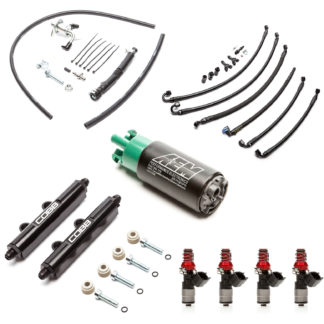
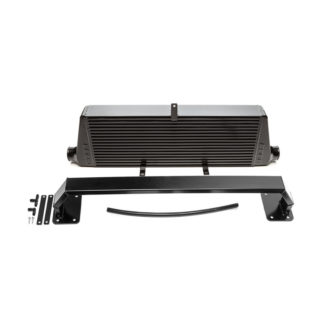
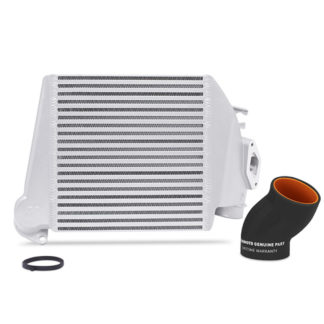
Once your XT Forester is equipped with the classic bolt on mods listed above you are ready for a turbo upgrade, supporting Intercooler and Fuel System. The turbo, intercooler and fuel injectors listed below are the perfect combination for any Forester XT looking to push past the 300WHP mark. Those looking to make over 400HP will need to consider a manual transmission swap and IAG stage 2 short block.

Posted on Leave a comment

Honda K24 and K20 Spark Plugs

K series Civic race car spark plugs spal fans

What Makes the Honda K24 & K20 Engines so Great?

The Honda K series engines (k24 and K20) are well both proven powerplants in either NA and forced inductions layouts. The 2.0L k20 and 2.4L k24 are found in a wide range of Hondas from the early 2000s to current such as the Civic type R, Integra type R, tsx, crv, Civic Si, TSX and more. Those of you working with the K20C engines be sure to check out this article: K20c Spark Plugs.
With a few basic mods and general maintenance the Honda K20 and K24 are reliable powerplants ready to make you smile with every drive. In NA form the K series will easily produce 200-350whp on pump fuel/e85. While 400-500 Hp is possible from a high compression k24 that type of engine build is strictly meant for drag racing and will require race fuel. The easy way to BIG power with any K series is with the help of a good turbo kit. Even a bone stock K20 or K24 can easily support 400-600whp with a well matched turbo/supporting mods. 600 HP not enough for you? Our Built engines using forged pistons, rods and Darton Sleeves can hold 1600+ HP and if that still isn’t enough we offer Billet K series blocks that are capable of holding over 2000HP . For this reason the K series engines are one of the most popular engine swaps for both FWD and AWD Hondas as well as hybrid RWD conversions popular for 240sx, RX7, Silvia and Skylines.

K24 Honda

K20 & K24 Spark Plugs

To help ensure you get the most out of your K24 or K20 it is key to run a high quality set of spark plugs. Spark plugs are responsible for starting the combustion cycle that powers your engine. With NGK spark plugs you are assured your plugs are providing a hot reliable spark to ignite the air/fuel mixture in each cylinder. Below is a list of the best ngk spark plugs for the K24 and K20 engines. These iridium core plugs are available in 3 popular heat ranges to suit any K20 engine build. To make things easy we have listed out the correct NGK spark plug based on horsepower output from your K series. If you have any questions feel free to comment below or give us a call we are always happy to support your build.

Honda K20 and K24 NGK Iridium spark plugs:

NA k20 & k24

  • Stock – 300hp BKR7eix-11
  • 300 – 350hp BKR8eix-11
  • 350hp+ BKR9eix-11

Turbo and Supercharged K20 & K24

  • 200 – 300hp BKR7eix-11
  • 300 – 450hp BKR8eix-11
  • 450hp+ BKR9eix-11

Why use Iridium Spark Plugs:

Using the Iridium core ngk plugs is an easy bolt-in upgrade for any K series the BKR7eix-11 means the plugs come pre gapped to 1.1mm the BKR7EIX (no -11 in the part #) are pre gapped to 0.8mm. If your engine suffers from spark blow out we recommend running the tighter gap BKR7eix plugs that feature a 0.8mm gap. If you find you need to a gap the plugs down tighter than 0.8mm you should consider upgrading your ignition coils to either the NGK R35 coils, haltech IGN1 coils or AEM IGN1 smart coils. Check out the video below to see just how easy it is to install a fresh set of NGK spark plugs in your K20 or K24 at home or in your garage.

Iridium core plugs hold up to heat better and last longer than their copper core brothers such as the ngk bkr7e spark plugs. For these 2 reasons you can find the Iridium core ngk plugs in everything from our purpose-built K series powered track cars to turbo street cars.

We keep a large inventory of all the popular ngk spark plugs in stock and ready to ship. If you don’t remember the last time you changed your plugs or you simply want to ensure your car is running perfectly, swap in a fresh set of ngk plugs and enjoy! 

Fixing spark blow out:

Any high power K series engine makes its power through high cylinder pressures and great airflow through the cylinder head. The high cylinder pressures put the spark plug and ignition coil to the test. As spark plugs wear out the resistance increases this increased resistance combined with high cylinder pressures results in “spark blow out”. Spark blow out is a situation where the spark fails to arc from the spark plug’s electrode to the grounding strap causing a misfire and loss of power. Running NGK iridium plugs helps to ensure your engine will not suffer from spark blow out even under high boost high cylinder pressure situations. NGK iridium plugs have proven to last longer and perform better than any other spark plug option on the market both on and off the race track.
So you enjoy your K series but you want more power and you want a LOT more power? Then it is time to turbo your K20 or K24 and make an easy 400-500HP on the stock engine! Check out this Turbo K24 & K20 Tuning guide for a complete run down of all the parts you need to build a reliable turbo K series.

K20, K24 NGK Copper Core Spark plugs:


200-350hp BKR7E Spark Plug
450hp + BKR8eix-11 (For any K series making 450+ whp we highly recommend running Iridium core plugs linked above. At this power level the copper core plugs will not last long and cause spark blow out issues. Using the correct Iridium plug and a good set of ignition coils is key to reliably making over 100HP per cylinder.)

k24a vs k20c exhaust ports

K20c VS K24a Exhaust Ports

Here is a great comparison of the K24a vs K20c exhaust ports. While the K20C single port offers a very simple solution for adding a turbocharger is does start to restrict airflow when making above 450whp. The K20c will absolutely support well over 600WHP BUT the restrictive single port head will become a limitation and start to effect long term reliability. (As the power goes up so does the exhaust temps and back pressure. The single port design traps this heat and pressure in the cylinder head where as the 4 port K24 head is able to let the heat/pressure out MUCH easier do to the 4 port design flowing much better than the single port design above the 450whp mark.